
Smoke particles in medical settings: sources and safety
Smoke particles in medical settings pose a potential danger to the health of healthcare professionals, such as doctors, chemists and others working in the medical field. Although often overlooked, these particles can have harmful long-term consequences for respiratory and general health. In this article, we will examine in detail the risks associated with smoke particles in medical settings, as well as the prevention and protection measures needed to ensure everyone’s safety.
Sources of smoke particles in medical settings
Smoke particles can be generated in a variety of medical situations, notably during surgical procedures and the use of lasers, electrosurgery, cauterisation and tissue vaporisation. These procedures can release fumes containing harmful substances, such as carbon particles, chemotherapeutic agents, viruses, bacteria and other potentially dangerous substances.
The health risks of smoke particles
Inhaling fume particles in a medical setting exposes healthcare professionals to significant health risks. The particles can penetrate deep into the respiratory tract, causing inflammation of the lungs, airways and lung tissue. This can lead to respiratory problems such as chronic bronchitis and asthma, or even more serious complications such as lung cancer.
Prevention and protection measures
To minimise the risks associated with fume particles in medical settings, it is essential to put adequate prevention and protection measures in place. Here are some important recommendations to follow:
Use of fume extraction systems
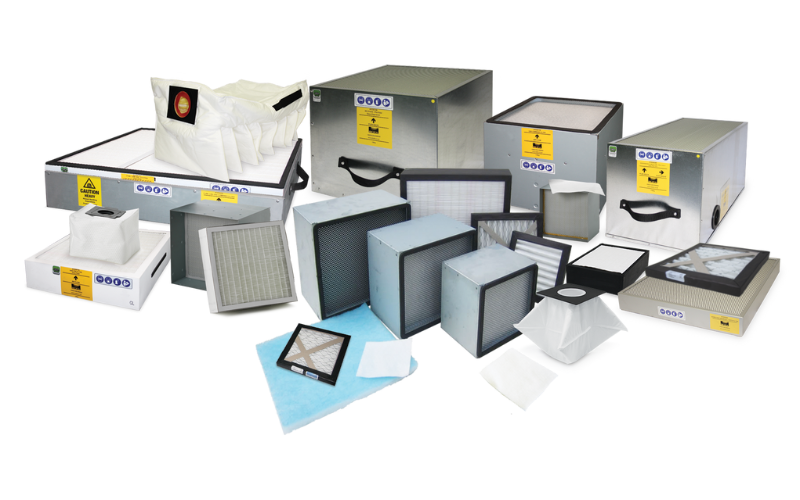
Using efficient fume extraction systems, such as extraction and filtration devices, can considerably reduce the amount of harmful particles in the air.
Wearing personal protective equipment (PPE)
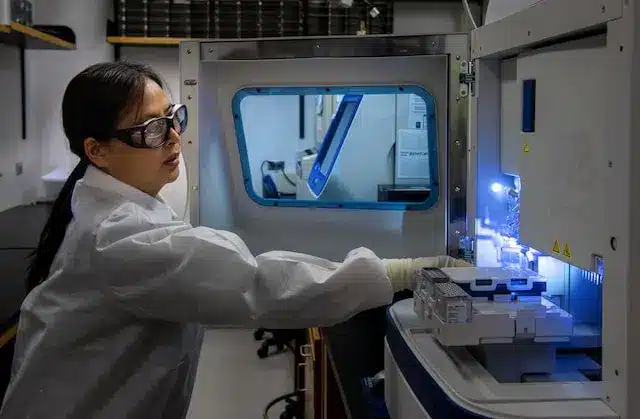
Healthcare professionals must wear specific respiratory masks designed to filter smoke particles. In addition, protective goggles and suitable overalls may also be necessary.
Training and awareness
It is vital to train healthcare professionals on the risks associated with fume particles, and to make them aware of the importance of following the appropriate safety measures. Regular training sessions can help maintain a safety culture within medical facilities.
Smoke particles in medical settings are a frequently underestimated danger to the health of professionals. It is essential to recognise these risks and to put adequate prevention and protection measures in place to ensure everyone’s safety. By understanding the sources of these particles and following best practice, healthcare professionals can reduce the risks and protect their respiratory health over the long term.